
Zambia and DRC Push for Greater Value from Copper and Cobalt as Battery Industry Opportunities Expand
Zambia and DRC Seek to Boost Copper and Cobalt Value Addition as Battery Industry Opportunities Grow
Zambia and the Democratic Republic of Congo are renewing attention on opportunities to strengthen regional mineral processing and industrial development as global demand for copper and battery-related materials continues to reshape mining investment.
The two neighbouring countries occupy a strategically important position in the global minerals industry.
The DRC is a leading producer of copper and cobalt, while Zambia remains one of Africa’s major copper-producing countries.
Together, they form a mineral-producing corridor with the potential to support expanded refining, manufacturing, logistics and industrial services.
However, converting mineral resources into competitive downstream industries will require substantial investment, reliable infrastructure and coordinated industrial policies.
Beyond raw mineral exports
A central objective of regional cooperation is to capture more economic value from minerals before they leave the continent.
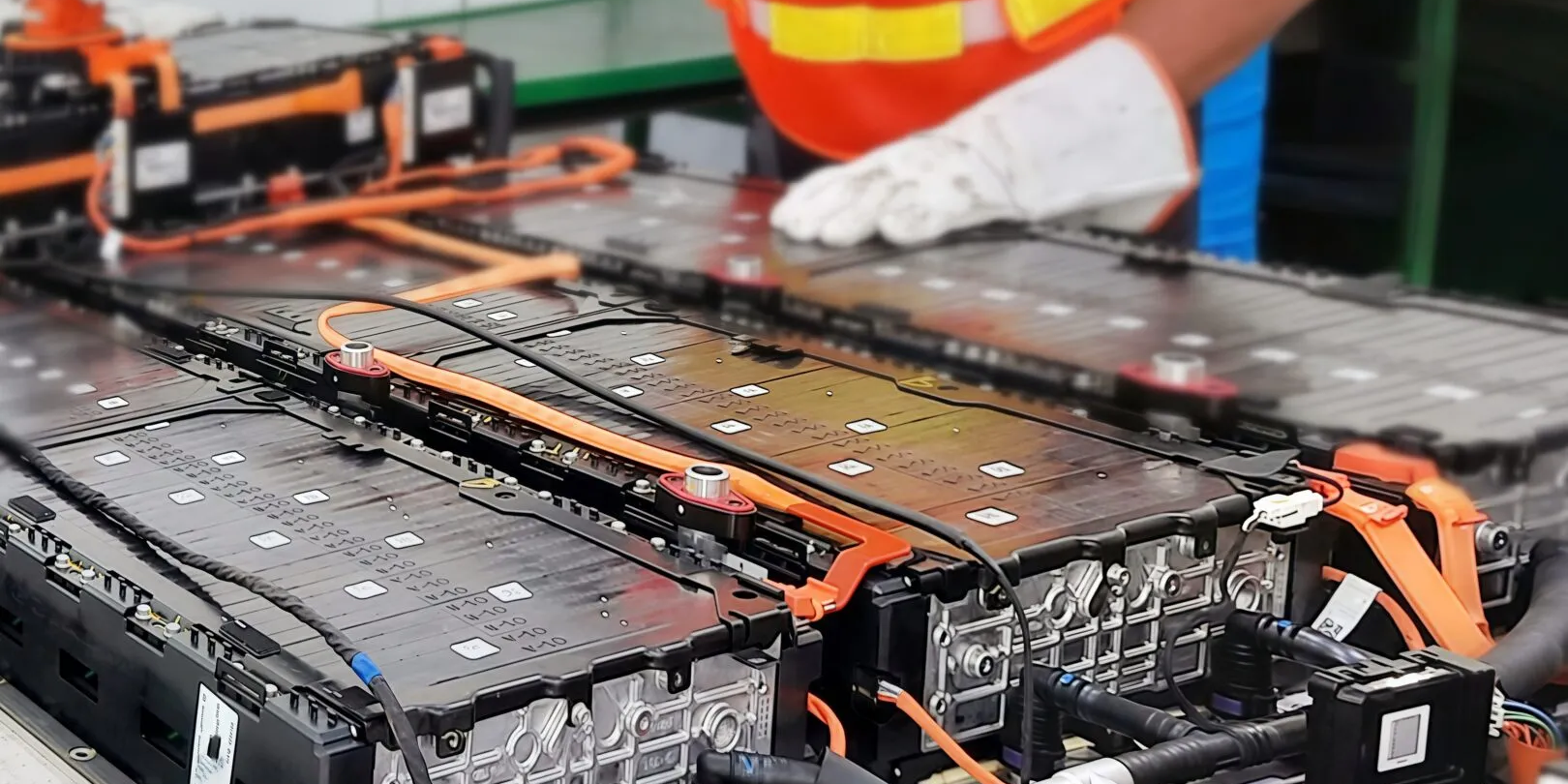
Potential opportunities include expanded copper refining, cobalt processing, battery-material production and the development of supporting industrial supply chains.
The countries have previously explored cooperation on electric-vehicle battery value chains, including industrial zones and manufacturing opportunities.
Such initiatives reflect a broader ambition to move beyond mineral extraction towards more diversified industrial activity.
Infrastructure remains a major obstacle
Large-scale mineral processing and manufacturing require dependable electricity, efficient transport corridors and access to industrial infrastructure.
Both Zambia and the DRC face challenges involving power supply, logistics costs and cross-border transport efficiency.
Rail infrastructure, border procedures and road connectivity will therefore be important considerations in developing competitive regional value chains.
Improved coordination could help reduce transport delays and support more efficient movement of minerals and industrial inputs.
Opportunities for local businesses
Regional industrial development could create opportunities for engineering firms, equipment manufacturers, construction contractors, logistics providers and technical service companies.
However, the benefits will depend on whether local suppliers can meet the technical, financial and quality requirements of large industrial projects.
Skills development, access to finance and industrial partnerships will be essential.
A successful regional strategy would also need to consider the economics of competing with established global battery-material and manufacturing centres.
Competing in a changing global market
The global battery industry is evolving, with different battery chemistries requiring different combinations of minerals.
While cobalt remains important for several battery technologies, lithium iron phosphate batteries have gained market share in applications where cobalt is not required.
This means Zambia and the DRC must evaluate downstream investments against realistic demand forecasts rather than assume that every battery-related manufacturing opportunity will be commercially viable.
Copper, meanwhile, remains essential for electrical infrastructure, power networks and electrification.
The region’s industrial strategy could therefore extend beyond batteries to include copper products, electrical equipment and related manufacturing.
A regional opportunity
Closer cooperation between Zambia and the DRC could improve the region’s ability to attract industrial investment and develop shared infrastructure.
Yet success will depend on translating policy discussions into bankable projects, commercially viable processing facilities and functioning industrial supply chains.
For Zambia and the DRC, the long-term opportunity is not simply to supply more minerals to the world, but to develop competitive industries that generate employment, strengthen local businesses and retain a greater share of mineral value within the region.